
1. Cost-Effective Marketing
Email marketing allows businesses to reach a large number of subscribers without the high costs associated with many traditional advertising methods. It helps companies promote their products and services while managing their marketing budgets efficiently.
2. Direct Communication with Customers
Email marketing provides a direct communication channel between businesses and their audiences. Companies can send important updates, announcements, special offers, and useful information straight to subscribers' inboxes.
3. Increased Website Traffic
By including links to relevant website pages, blog posts, product pages, and service pages, businesses can encourage email subscribers to visit their websites. This can increase website traffic and introduce visitors to more of their offerings.
4. Lead Generation and Conversion
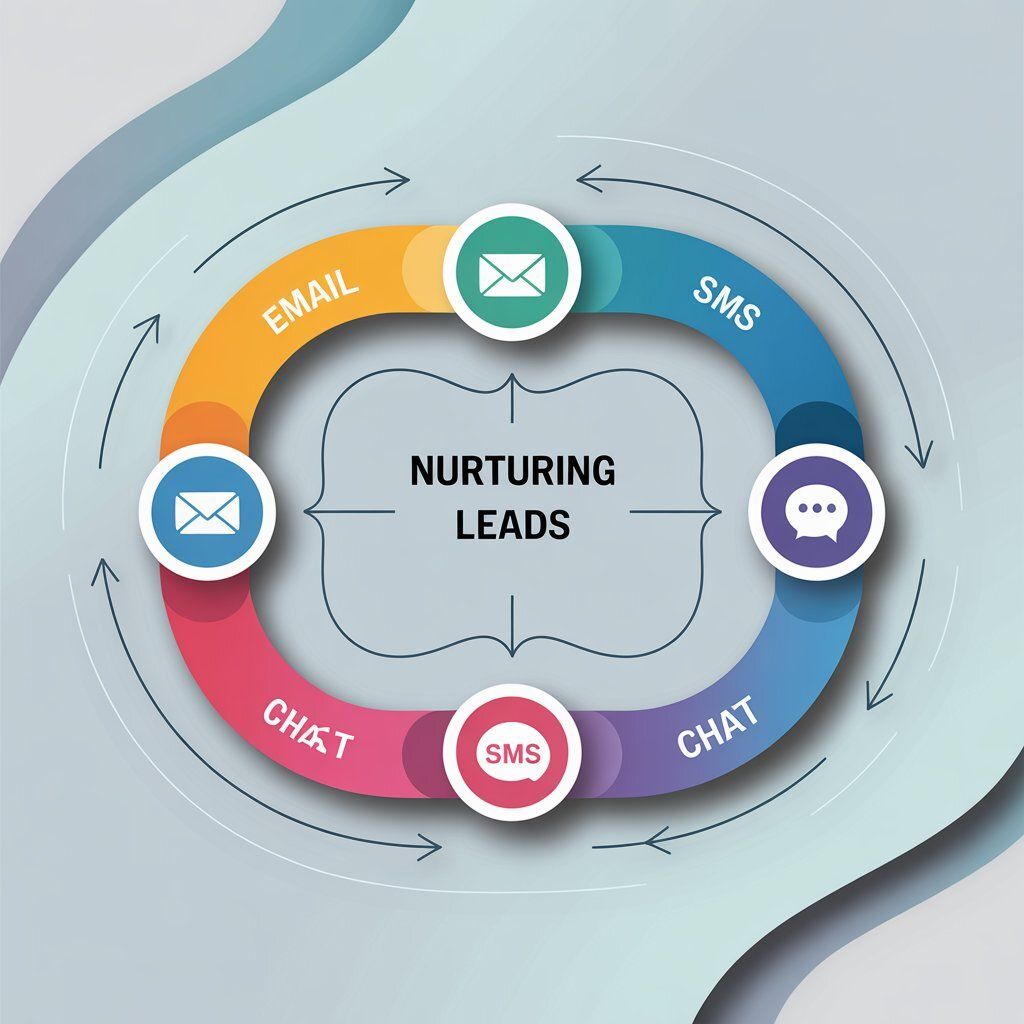
Email marketing helps businesses nurture potential customers by sharing helpful content, explaining service benefits, and providing relevant offers. Consistent communication can encourage interested prospects to enquire about services or make a purchase.
5. Personalized Customer Experience
Businesses can personalize emails using information such as subscribers' preferences, interests, and previous interactions. Relevant messages help customers discover products, services, and information that better match their needs.
6. Builds Customer Loyalty and Trust
Regularly sharing valuable content, helpful advice, and relevant updates helps businesses maintain relationships with their customers. Over time, consistent and meaningful communication can strengthen customer trust and encourage repeat purchases.
7. Measurable Campaign Performance
Email marketing platforms provide reports on metrics such as delivery rates, opens, clicks, conversions, and unsubscribes. These insights help businesses understand campaign performance and identify opportunities for improvement. Open rates should be interpreted carefully because privacy features can affect their accuracy.
8. Automation and Time Saving
Email marketing tools allow businesses to schedule campaigns and automate messages such as welcome emails, follow-ups, and customer reminders. Automation reduces repetitive manual work and helps businesses communicate consistently as they grow.




Powerful Email Marketing Tools We Use

1. Mailchimp
Best for: Beginners and small businesses Mailchimp is a popular email marketing platform for creating newsletters, promotional emails, and automated campaigns. Its visual editor helps businesses design attractive emails without needing advanced coding skills. Key features: - Email campaign creation using ready-made templates. - Contact list management and audience segmentation. - Automated welcome emails and customer follow-ups. - Campaign reports showing opens, clicks, and other engagement metrics. - Integration with websites and supported e-commerce platforms. How it helps businesses: Mailchimp allows businesses to share offers, announce new products, send newsletters, and maintain regular communication with subscribers. Example: An online clothing store can send a promotional email announcing a new collection and direct customers to its website.

2. Active Campaign
Best for: Advanced email automation Active Campaign is designed for businesses that want to create personalized customer journeys and automated email sequences. It offers workflow tools that help marketers send relevant messages based on subscriber behavior, interests, and interactions. Key features: - Visual automation workflows: Build sequences of emails and follow-up actions. - Behavior-based messaging: Trigger communications based on supported customer activities. - Audience segmentation: Divide subscribers into groups based on their characteristics and engagement. - Lead nurturing: Send a series of useful messages to move potential customers toward a decision. - CRM and sales automation: Coordinate marketing activities with sales follow-ups using supported features. How it helps businesses: Active Campaign reduces repetitive manual work and helps businesses deliver timely, relevant messages throughout the customer journey. Example: When someone subscribes to a website, a business can send a welcome email, share useful resources a few days later, and then introduce its services.
3. Mailer Lite
Best for: Simple newsletters and small businesses MailerLite is an email marketing platform that focuses on ease of use. Businesses can create newsletters, design emails, manage subscribers, and build landing pages without needing extensive technical knowledge. Key features: - Drag-and-drop email editor: Design emails by arranging text, images, buttons, and other elements. - Newsletter creation: Share company news, educational content, announcements, and special offers. - Subscriber management: Organize email contacts and create relevant audience groups. - Automation: Set up welcome messages and email sequences using available workflow features. - Landing pages and forms: Collect subscribers through sign-up forms and dedicated landing pages. How it helps businesses: Mailer Lite makes it easier for small businesses and new marketers to maintain consistent communication without requiring a complicated marketing setup. Example: A small business can publish a monthly newsletter featuring new services, helpful tips, and upcoming offers.