


1. Blog Posts and Articles
Blog posts and articles provide valuable information about topics related to a business, its products, or its services. They help answer customer questions, solve problems, and educate readers.
Businesses can publish informative articles, how-to guides, industry updates, and helpful tips on their websites. When optimized with relevant keywords, blog posts can also improve search engine visibility and attract organic traffic.
Example: A digital marketing agency publishes an article titled “10 Simple Ways to Improve Your Website SEO.”

2. Social Media Content
Social media content includes posts, stories, reels, short videos, carousels, and informative graphics shared on platforms such as Instagram, Facebook, LinkedIn, and Pinterest.
This type of content helps businesses connect with their audience, increase brand awareness, share updates, and encourage interactions through likes, comments, and shares. Consistent and relevant social media content can also direct users to a business website.
Example: Sharing digital marketing tips, service highlights, customer testimonials, and educational reels on Instagram and Facebook.

3. Video Marketing
Video marketing involves creating and sharing videos to explain ideas, demonstrate products, educate customers, or communicate a brand's message. Videos can make complex information easier to understand and help audiences engage with content.
Businesses can use tutorials, product demonstrations, explainer videos, interviews, and short-form videos to connect with potential customers.
Example: Creating a short video explaining how Google Ads helps businesses reach potential customers.
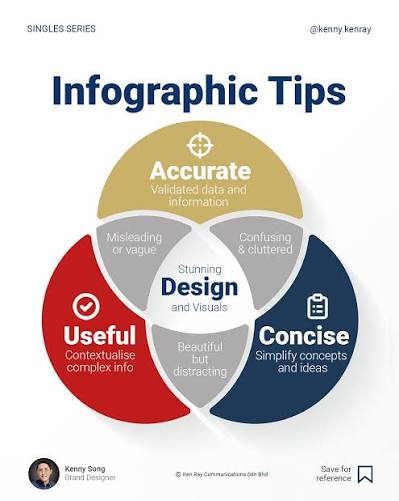
4. Infographics
Infographics present information, statistics, processes, and important facts through a combination of visuals, icons, charts, and short text.
They help readers understand information quickly without reading lengthy explanations. Infographics are also useful for social media sharing, educational content, and website articles.
Example: Designing an infographic that explains the five important steps of a successful SEO strategy.

6. E-books and Guides
E-books and guides provide detailed information about a specific subject in a downloadable or digital format. They allow businesses to explain topics more deeply than a typical social media post or short article.
Businesses often offer useful guides to educate their audience and generate leads by inviting interested users to share their contact details in exchange for the resource.
Example: Creating a free guide titled “A Beginner's Guide to Digital Marketing for Small Businesses.”

8. Website and Landing Page Content
Website content includes homepage text, service descriptions, About Us pages, landing pages, FAQs, and other written information published on a website.
It helps visitors understand what a business offers, why its services matter, and how they can get started. Clear, engaging, and SEO-friendly website content can improve the user experience and encourage visitors to take action.
Example: Creating a dedicated SEO services page that explains the benefits, process, and advantages of choosing your agency.
Essential Content Marketing Tools

1. ChatGPT – Content Ideas and Writing
ChatGPT is an AI-powered tool that helps content marketers brainstorm ideas, organize information, develop article outlines, and draft content for different marketing channels. It can also help rewrite sentences, improve readability, and adapt content to suit a brand's tone of voice.
How it helps in content marketing:
- Generates blog topics and content ideas.
- Helps draft website pages, articles, and social media captions.
- Creates content outlines and headlines.
- Refines writing for clarity and readability.
Example: A digital marketing agency can use ChatGPT to develop blog ideas about SEO, social media marketing, and online business growth.

2. Canva – Visual Content Creation
Canva is a graphic design platform that allows marketers to create professional-looking visual content without advanced design skills. Its templates, fonts, illustrations, and editing features help businesses maintain a consistent visual identity across their marketing channels.
How it helps in content marketing:
- Designs social media posts and promotional banners.
- Creates infographics to explain complex information visually.
- Produces presentations, e-books, and marketing materials.
- Helps maintain consistent brand colours, fonts, and styles.
Example: TechDigitalWave.com can use Canva to design SEO infographics, service banners, and Instagram posts that communicate digital marketing information attractively.

3. Semrush – Content Research and SEO
Semrush is a digital marketing platform that helps businesses research keywords, analyze competitors, identify content opportunities, and improve their SEO strategy. It provides useful insights into what people search for and which topics may be worth covering.
How it helps in content marketing:
- Finds relevant keywords for blog posts and website pages.
- Identifies content gaps and potential topics.
- Helps analyze competitors' search visibility.
- Supports content optimization for search engines.
Example: TechDigitalWave.com can use Semrush to research keywords related to content marketing services and plan articles that target relevant search queries.