Higher Search Engine Rankings
SEO helps improve your website's position in search engine results by optimizing its content, keywords, and overall structure. Higher visibility makes it easier for potential customers to find your business when searching for relevant products or services.

Increased Website Traffic
SEO attracts relevant visitors to your website by improving its visibility on search engines. By targeting the right keywords and providing useful content, it helps your business reach potential customers and increase engagement.

Better Brand Awareness
SEO increases your brand's online visibility by helping your website appear in relevant search results. When people discover your business while searching for information, products, or services, they become more familiar with your brand and what your business has to offer.

More Potential Customers
SEO helps connect your business with people who are already interested in your products or services. By attracting relevant visitors and providing clear information, your website can create more opportunities to generate enquiries, qualified leads, and potential sales.

Builds Trust and Credibility
A well-optimized website with helpful content, accurate information, and a smooth user experience can build trust among potential customers. Appearing in relevant search results and providing valuable answers can strengthen your brand's credibility and encourage visitors to explore your services.

Long-Term Business Growth
SEO supports long-term business growth by improving your website's organic visibility and attracting relevant visitors over time. With regular content updates, technical improvements, and ongoing optimization, your business can build a stronger online presence and create more opportunities for growth.
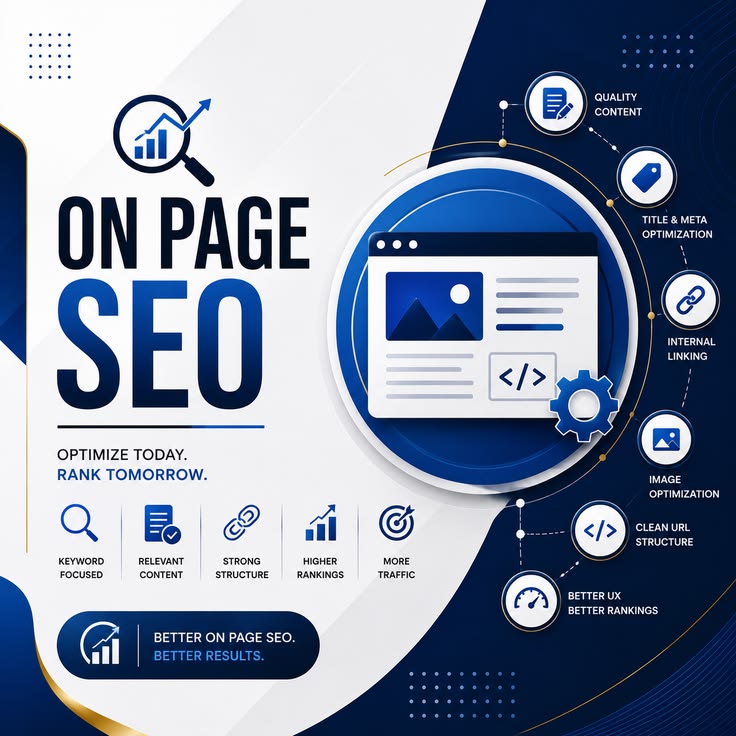
1.On-Page SEO refers to optimizing the content and elements within a website to help search engines understand its pages. It includes using relevant keywords, writing useful content, improving headings, optimizing images, and creating clear page titles and meta descriptions.Example: If you have a digital marketing website, using relevant keywords such as “digital marketing services” in your page content can help search engines understand what your page offers.Main goal: To make website content relevant, useful, and easy to understand.
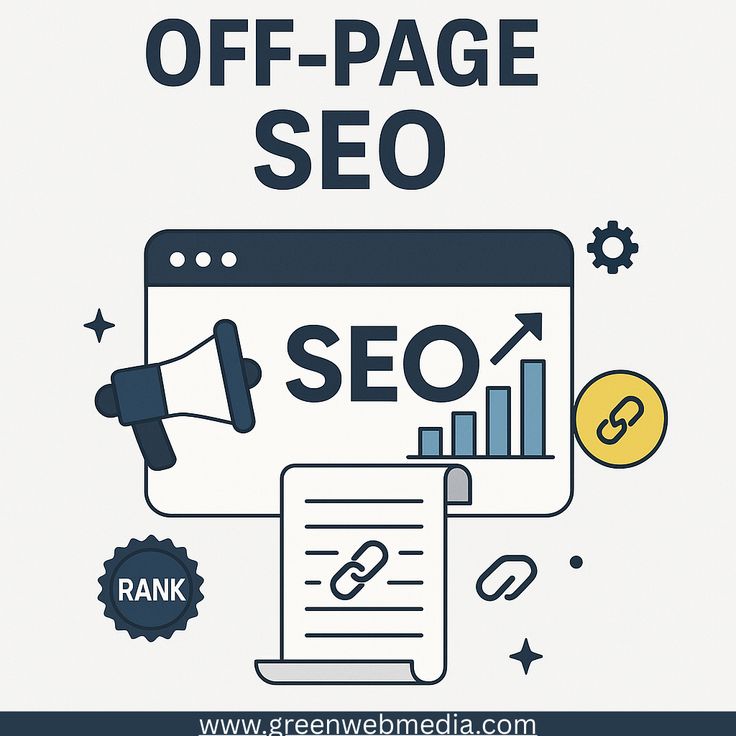
2.Off-Page SEO includes activities performed outside your website to improve its reputation and authority. It mainly involves earning quality backlinks from relevant and trustworthy websites, promoting useful content, and building brand awareness online.
Example: If a respected marketing blog links to an informative article on your website, that backlink may help search engines recognize your content as valuable.
Main goal: To build website credibility, reputation, and authority.
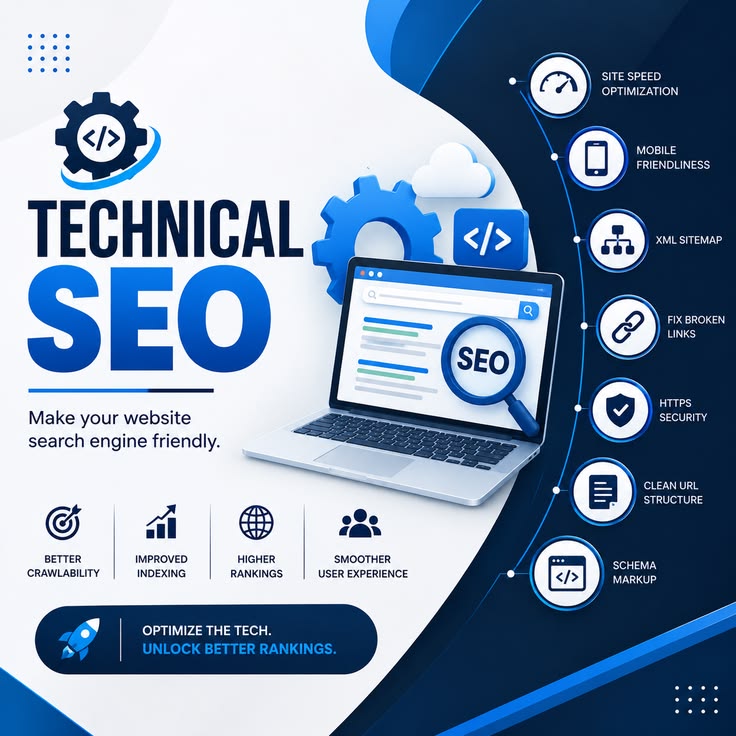
3.Technical SEO focuses on improving the technical structure and performance of a website so search engines can crawl and index its pages effectively. It includes improving loading speed, mobile usability, website security, XML sitemaps, and fixing broken links or indexing problems.
Example: If your website loads slowly on mobile phones, improving its performance can provide visitors with a better experience and help search engines access your pages more effectively.
Main goal: To make your website accessible, functional, and easy for search engines to understand.